




Loyal Lovin readers can support Lovin so we can continue to share the stories of all amazing cities
Minimum custom amount to enter is AED 2
By donating, you agree to the Privacy Policy and Terms of Service


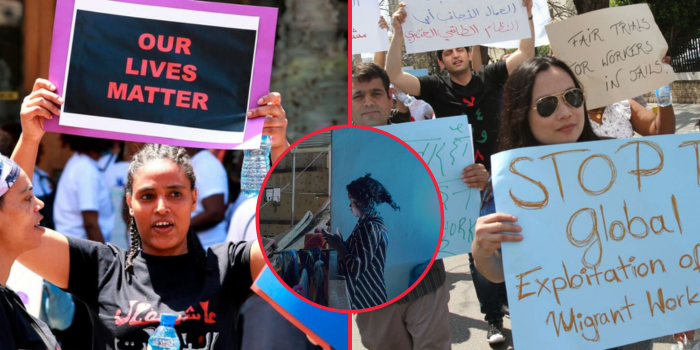
Jordanian creator Areen Kelani recently sparked a major online debate with her viral video, boldly questioning the in-house maid system prevalent in many homes. She highlighted the stark reality that for many, the only difference between a maid and a slave in their homes is merely a visa, with treatment often stuck in the Middle Ages.
Areen Kelani didn’t hold back, diving deep into the uncomfortable truths surrounding domestic work. She pointed out that while we love to think of ourselves as super aware and developed, there are still folks genuinely convinced that giving someone the bare minimum of rights isn’t slavery. It’s a tough pill to swallow, but Areen’s video really got people talking about accountability and privilege across Jordanian social media. She challenged the notion that our ‘old upbringing’ was perfect, noting it often included harshness, fear, and even injustice. Yet, it also had clear boundaries and a sense of responsibility. She boldly stated that the only real difference between a maid and a slave in our homes is just the visa, with treatment often stuck in the Middle Ages.
Today’s parenting style has shifted dramatically, not just because times have changed or technology advanced. Instead, we’ve become super scared of any ‘disturbing’ feelings – like anger or frustration – or the idea of a child facing a tough experience. We’ve started calling every little ache a trauma, every bit of guidance ‘oppression,’ and all boundaries ‘psychological harm.’ This has transformed parenting from building strong individuals into simply managing comfort and pampering, fostering a sense of entitlement instead of real empowerment. But here’s the kicker: when comfort becomes the ultimate goal, someone always has to pay the price. And for Areen, the invisible person inside the house, the domestic worker or ‘shaghalah,’ is often the one footing that bill.
The language used to justify this treatment is truly eye-opening. We often hear phrases like, ‘We opened our house for her,’ as if the house is a generous gift, not a space of control. Or, ‘We fed her,’ implying food is charity, not a basic human right. And the classic, ‘We gave her a better life,’ as if life is only measured by a roof and food, completely ignoring freedom and dignity. Areen Kelani bravely called out this language, comparing it to the very same justifications slave owners used in the past. It’s the same illusion, where control is cleverly rebranded as care. She highlighted how domestic workers are often labeled as ‘dirty, not clean, disgusting,’ even when they might be the cleanest person in the house, showering more than anyone else. Yet, employers complain about water usage.
Recommended
 Pezeshkian Apologizes, Announces Conditional Halt to Attacks
 A Kid in Amman Just Made These Delivery Driver’s Ramadan
 The Internet’s Favorite “Rocket Man” Is Trending Again
If a domestic worker gets tired and says she can’t, or does something an employer dislikes, the immediate response is often to send her ‘straight to the office.’ This can lead to her being beaten, humiliated, and returning ‘more obedient,’ not because she’s convinced, but because she’s been broken. Areen Kelani noted that the story doesn’t even stop there, hinting at the expectation for maids to also raise children – a whole other topic for another day. Her powerful video has truly ignited a crucial conversation about these uncomfortable truths in Jordanian society.
Read next: Amman’s Weekend Buzz: Cold Nights, Warm Dancefloors & Late Sets ❄️🔥
Minimum custom amount to enter is AED 2
By donating, you agree to the Privacy Policy and Terms of Service