


 Battlefield 6 is merging reality and gaming with the power of NVIDIA GeForce RTX
 Ab Wa Laken’ is Sparking Massive Debate on Fathers, Mothers, and the Law
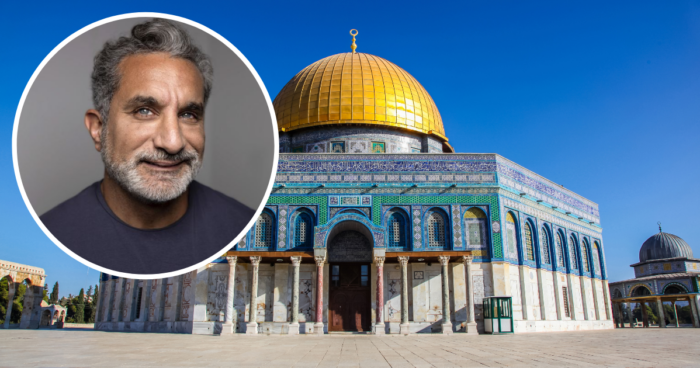 “They Might Bomb Al‑Aqsa Accidentally” Bassem Youssef Resurfaces an Old Israeli Clip Amid Middle East Tensions



Loyal Lovin readers can support Lovin so we can continue to share the stories of all amazing cities
Minimum custom amount to enter is AED 2
By donating, you agree to the Privacy Policy and Terms of Service


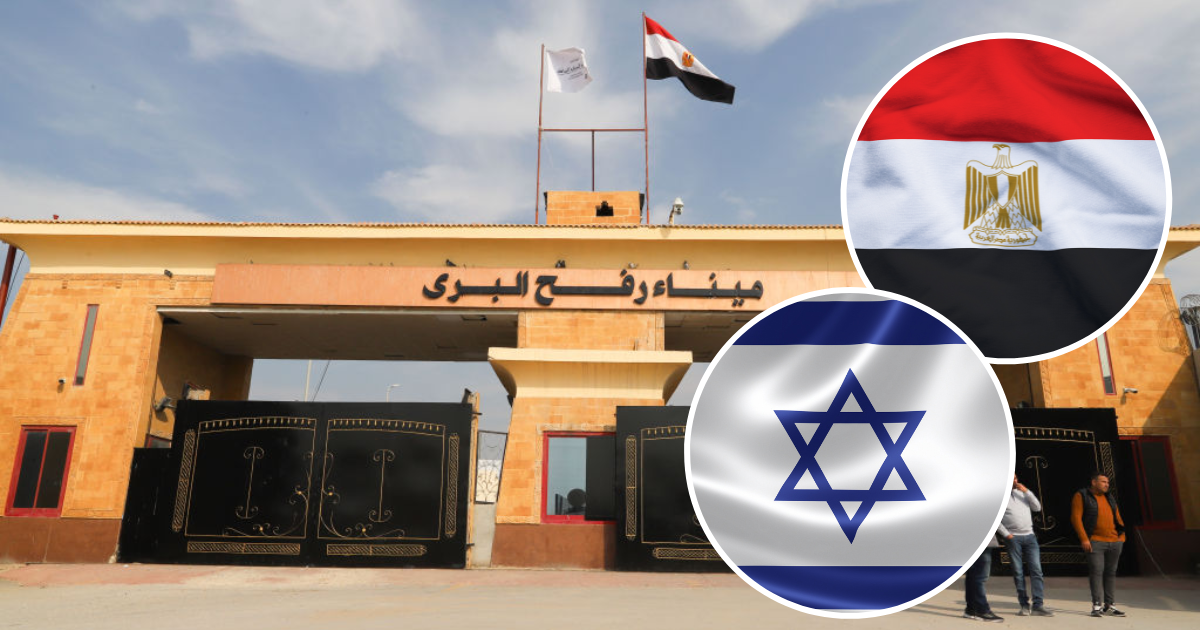
In recent reports, there has been widespread talk about the possibility of opening the Rafah border crossing in one direction only…from Gaza to Egypt. This claim has sparked a strong reaction from Egyptian officials, who emphasize that such a move would contribute to the forced displacement of Palestinians from their land. This, according to sources, is considered a “red line” for Egypt and something it cannot support under any circumstances.
Sources speaking to Al Qahera News have firmly rejected the idea of operating the Rafah crossing in one direction, particularly when it comes to pushing Palestinians out of Gaza. They argue that this would go against Egypt’s core stance since the beginning of the ongoing conflict. For Egypt, allowing such an act would be tantamount to supporting the forced displacement of Palestinian people from their homes, something Egypt has consistently opposed. The sources further explained that operating the Rafah crossing in one direction would violate the terms outlined in the peace plan proposed by former U.S. President Donald Trump, particularly Clause 12. This clause explicitly prohibits any party from compelling Palestinians to leave their land or facilitating their forced departure in any manner.
Egypt is steadfast in its commitment to the terms of the ceasefire agreement, which includes ensuring that the Rafah crossing operates in both directions. This would allow the entry of injured and sick individuals from Gaza into Egypt for medical treatment while also enabling Palestinian nationals who are stranded outside Gaza to return home. This balance is crucial to Egypt’s approach to the ongoing situation. Egypt’s unwavering position was reiterated by Diaa Rashwan, the head of the State Information Service, who publicly rejected the Israeli media claims that Egypt and Israel were coordinating to open the crossing in one direction, exclusively from Gaza to Egypt. Rashwan called these claims baseless, stating that such an agreement had never occurred and would not happen in the future.
This isn’t the first time Egypt has demonstrated its commitment to maintaining a two-way operation of the Rafah crossing. During the conflict that began in October, Egypt opened the crossing from both sides to allow the entry of injured individuals, students, and those with humanitarian needs. Simultaneously, thousands of Palestinians who had been stranded in Egypt were allowed to return to Gaza. This history of facilitating the movement of both Palestinians into Egypt and their return to Gaza underscores Egypt’s long-standing policy of supporting both humanitarian relief and the right of Palestinians to stay in their homeland. Just this October, Egypt, alongside the United States, Turkey, and Qatar, signed a ceasefire agreement that reaffirmed the importance of keeping the Rafah crossing open in both directions. 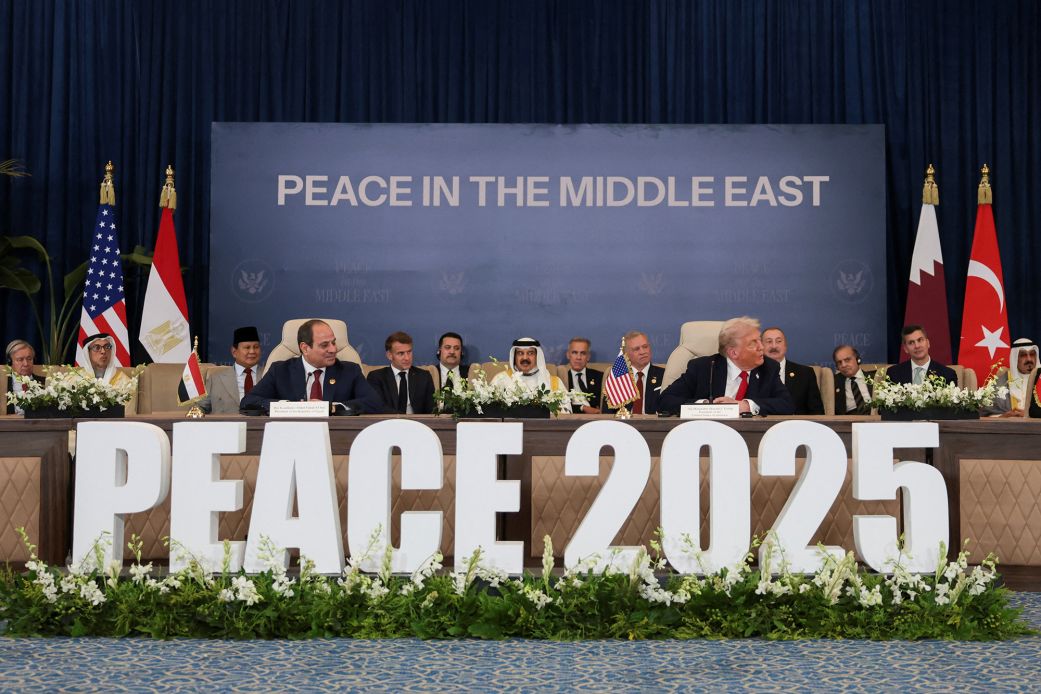 This agreement specifically ensures that any opening of the crossing must be in a manner that supports the return of Palestinians to Gaza, preserving their right to live in their homeland. Next: Ace Your Secret Santa Game with These 8 Killer Gift Ideas!
Minimum custom amount to enter is AED 2
By donating, you agree to the Privacy Policy and Terms of Service
 Lovin Cairo Newsletter