


 Swedish Billionaire Roger Akelius Pledges $75 Million To Build 400 Schools In Gaza
 Nas Daily Slammed After Israel Remark
 Olivia Rodrigo Brings Kids’ Voices to Life in War Zones With New Video



Loyal Lovin readers can support Lovin so we can continue to share the stories of all amazing cities
Minimum custom amount to enter is AED 2
By donating, you agree to the Privacy Policy and Terms of Service


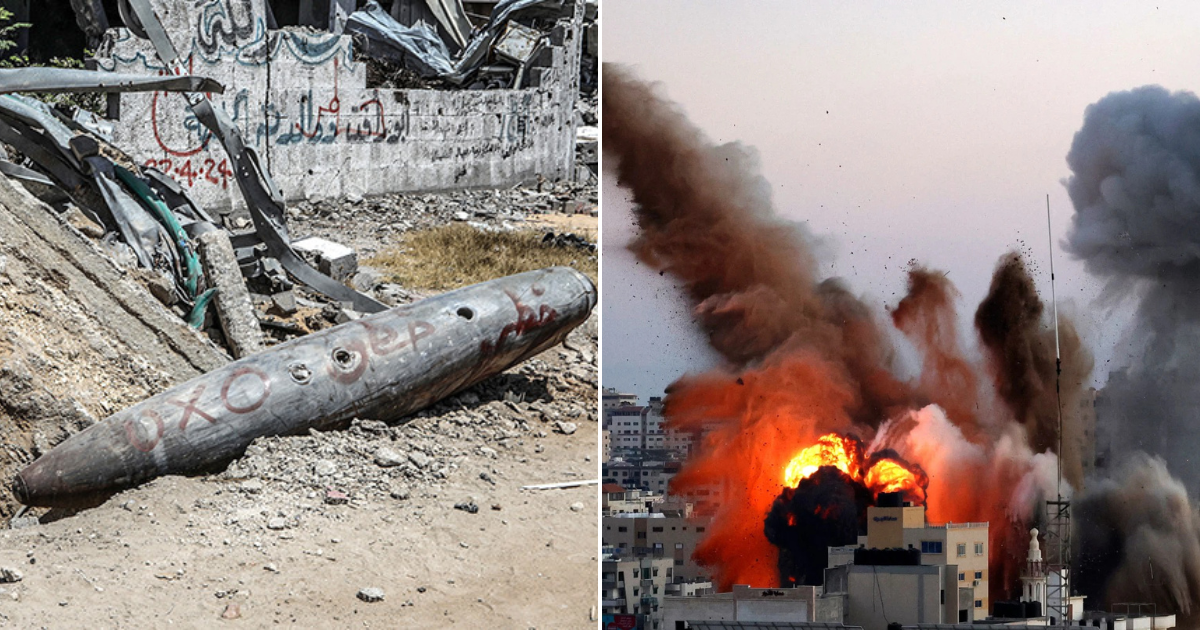
New findings have revealed disturbing details about the types of weapons used during Israel’s war on Gaza—attacks so intense that thousands of Palestinians were killed without any recoverable remains. Search and rescue teams reported finding only blood traces or small fragments at multiple strike locations, highlighting the devastating power of the munitions deployed.
These findings have raised serious concerns among experts, legal analysts, and humanitarian organisations, who warn that the scale and nature of these weapons go far beyond conventional warfare.
Experts say Israel systematically used thermal and thermobaric weapons, often referred to as vacuum or aerosol bombs. These munitions generate massive fireballs, intense pressure waves, and temperatures exceeding 3,500°C. Unlike traditional explosives, they burn and crush everything within range, turning enclosed spaces into furnaces and leaving little physical evidence behind.
Weapons identified include MK-84 bombs, BLU-109 bunker busters, and GBU-39 glide bombs. These are designed to create internal explosions and extreme heat, sometimes leaving buildings partially standing while incinerating everything inside. The result has been catastrophic damage not only to infrastructure but also to human life.
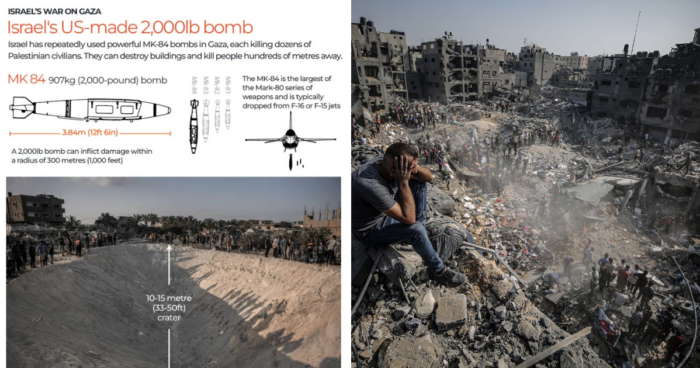
Medical and military experts explain that the combination of heat, pressure, and chemical reactions produced by these weapons can vaporise human tissue almost instantly. Because of this, rescue teams at many strike sites have reported missing victims who were never recovered despite extensive searches through rubble and debris.
This has left families without remains to bury and communities struggling to document the full scale of loss, as the destruction often erases physical evidence of those killed.
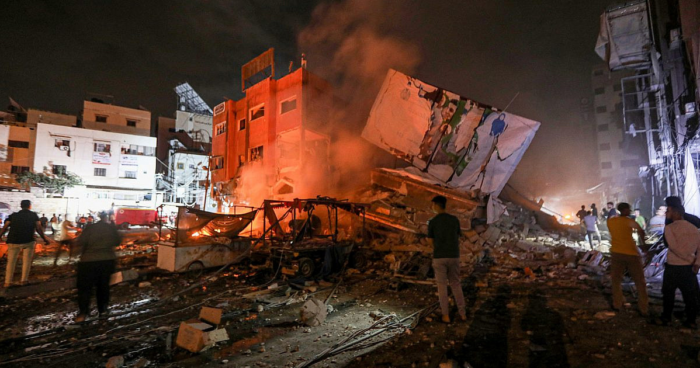
Legal experts warn that weapons incapable of distinguishing between civilians and combatants may violate international law. The widespread use of such munitions has sparked growing calls for independent investigations and accountability, particularly concerning the role of foreign suppliers linked to these weapons systems.
As the humanitarian toll in Gaza continues to rise, international pressure is mounting for justice and for a closer examination of how these weapons were used and who bears responsibility.
The findings add another layer to the ongoing global debate surrounding the war, highlighting the urgent need for transparency, accountability, and protection of civilian lives in conflict zones.
Minimum custom amount to enter is AED 2
By donating, you agree to the Privacy Policy and Terms of Service