







Loyal Lovin readers can support Lovin so we can continue to share the stories of all amazing cities
Minimum custom amount to enter is AED 2
By donating, you agree to the Privacy Policy and Terms of Service


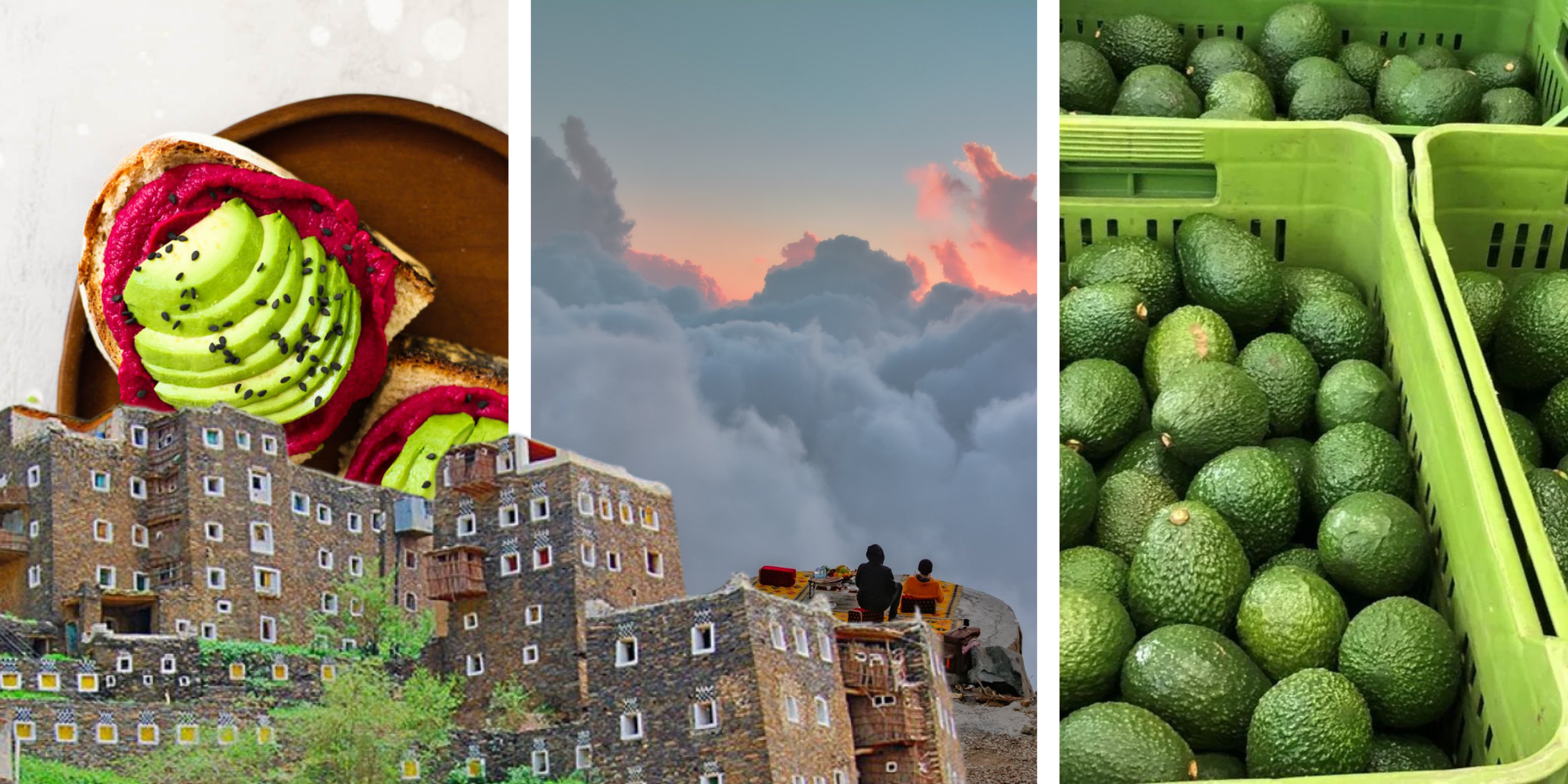
Avocados Are Now Growing Locally In Asir And The Results Are Surprising
In the highlands of Asir, something pretty unexpected is happening. Farms around areas like Al-Namas, usually known for cooler weather, scenic mountains, and traditional crops, are now growing avocados. Yes, avocados. The same fruit you usually assume is imported and flown in from far away.

One farmer, Mohammed Al-Shehri, decided to test whether this “trendy but tricky” crop could actually survive locally. And instead of it being a small experiment that fades out, it turned into a proper success story.
Recommended
 Storm Winds Sweep Through Qassim, Causing Truck Overturns And Dust Chaos
 Skip The Snooze Button And Head Straight To These 5 Riyadh Morning Destinations
 Kawthar Al-Haddad’s Quick Action Saves a Life
What makes it interesting is that avocados aren’t exactly easy to grow. They need specific temperatures, careful irrigation, and the right soil conditions. So when people first heard about it being planted in Asir, the reaction was basically: “let’s see how long this lasts.”
Turns out… it lasted. And it worked better than expected 🌱
The success didn’t come out of nowhere. Asir’s climate plays a huge role here. Unlike the extreme heat many parts of the region deal with, the southern highlands have cooler temperatures and more balanced conditions throughout the year.
نجاح زراعة الافوكادو قي عسير بسواعد مواطن سعودي🇸🇦 pic.twitter.com/1ZN6AMF7Dh
— سواعد سعودية 🇸🇦 (@Saudi_Madee) April 19, 2026
Reports from the farms suggest that the growth success rate has gone beyond 80%, which is a big deal for a crop that’s considered high-maintenance. Even more interesting is that the quality is not just “good for local produce” — it’s actually competing with imported avocados in texture and taste.
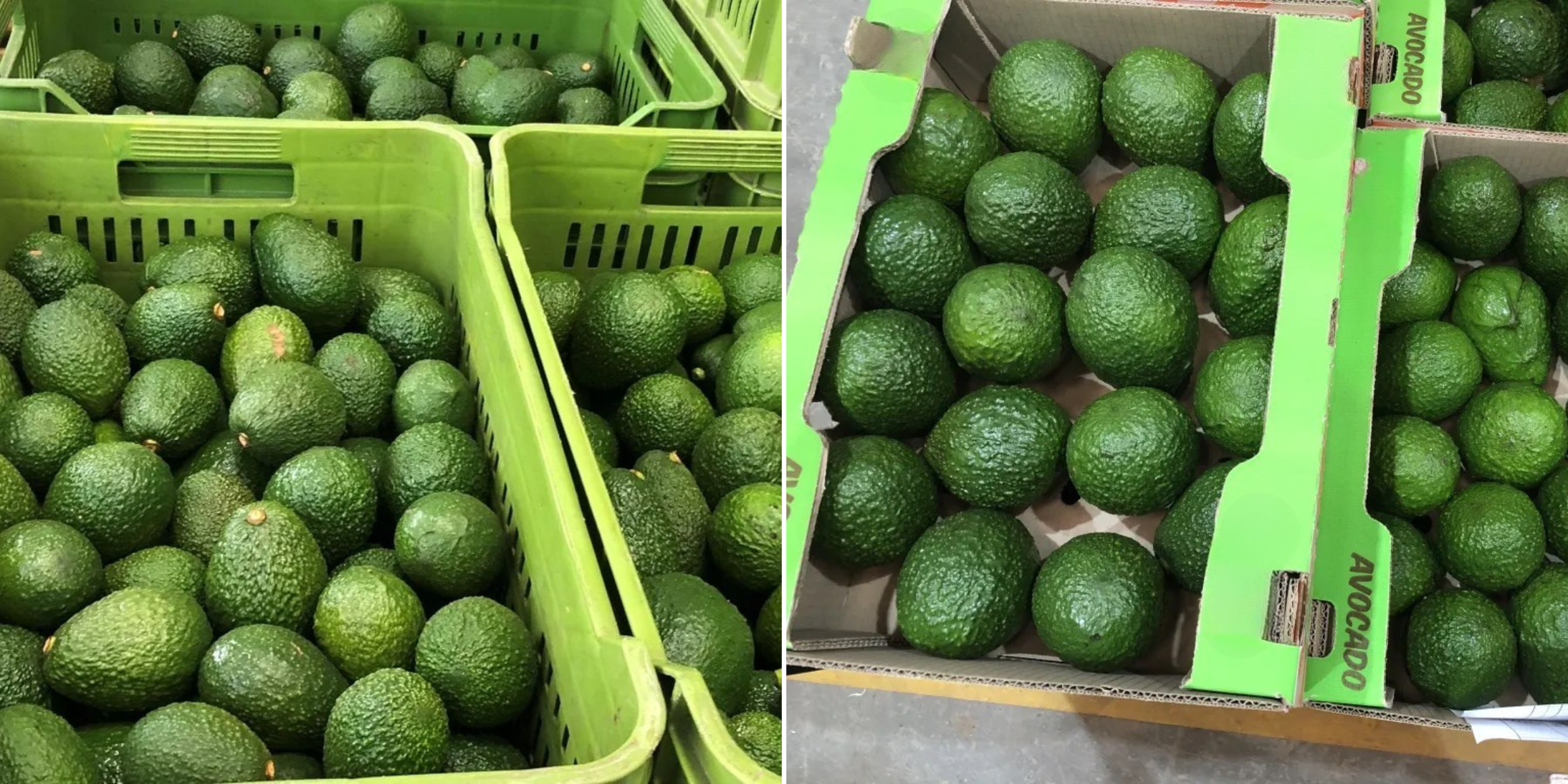
Not overnight, but they’re definitely on their way.
The goal from these farms isn’t just to grow a few successful batches. It’s to scale up production, enter local markets, and eventually make Saudi-grown avocados a regular supermarket item instead of something rare or experimental.
Imagine walking into a grocery store and seeing “Product of Saudi Arabia” on avocados next to imported ones. That’s the direction this is heading toward.
Of course, there’s still work to do, scaling farming, distribution, consistency, all the usual challenges. But the early results are strong enough that the idea doesn’t feel unrealistic anymore.
And for consumers, it could mean fresher produce, less reliance on imports, and more locally grown options on shelves 🥑

Minimum custom amount to enter is AED 2
By donating, you agree to the Privacy Policy and Terms of Service
 Lovin Riyadh Newsletter