








Loyal Lovin readers can support Lovin so we can continue to share the stories of all amazing cities
Minimum custom amount to enter is AED 2
By donating, you agree to the Privacy Policy and Terms of Service


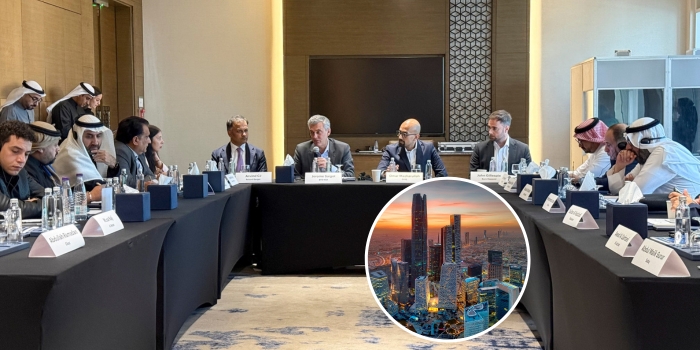
How Saudi Arabia Is Preparing For The Future Of Mobility Under Vision 2030
Saudi Arabia is entering one of the most transformative periods in its mobility journey. As Vision 2030 accelerates development across cities, industries, and infrastructure, the movement of people and goods is becoming a central pillar of economic competitiveness and quality of life.
Against this backdrop, Al-Futtaim has released The Future of Mobility in Saudi Arabia, a new white paper that examines consumer readiness for new energy vehicles (NEVs) and outlines a coordinated roadmap to accelerate adoption across the Kingdom.

Recommended
 Ithra Celebrates Saudi Founding Day with Three Cultural Nights in Dhahran
 Riyadh’s Public Transport Is Officially Running On Ramadan Hours
 Al Nassr Player Kathleen Souza Announces Conversion To Islam
The white paper is informed by Al-Futtaim’s inaugural Future of Mobility in Saudi Arabia survey, conducted among more than 1,000 Saudi-based consumers, alongside insights from a multi-stakeholder industry roundtable convened in the Kingdom.
The findings point to strong awareness and intent. According to the survey, 71% of respondents are familiar with NEV technology, while 79% say they are likely to consider purchasing an NEV as their next vehicle.
Despite this momentum, adoption remains at an early stage. Today, 85% of respondents still drive petrol or diesel vehicles, highlighting a clear gap between consumer intent and current market reality.
Affordability remains the most significant barrier, with 30% citing purchase price as their primary concern. Charging access (19%) and driving range (14%) also continue to influence purchasing decisions, alongside concerns around charging time, spare parts availability, and overall familiarity with NEV ownership.
As Saudi Arabia advances urban development and industrial diversification, mobility is increasingly recognised as a driver of productivity, sustainability, and liveability. The white paper notes that progress may slow if electrification, charging infrastructure, and public transport continue to evolve in silos.
Instead, it calls for integrated planning that connects vehicles, charging networks, power capacity, land use, and consumer awareness into a single, coordinated mobility ecosystem.

Jerome Saigot, Managing Director of Al-Futtaim BYD KSA, said: “Saudi Arabia has set a clear direction for future-ready mobility through Vision 2030. The priority now is to connect the elements: vehicles, charging infrastructure, consumer awareness and service capability to build confidence and enable the large-scale adoption of new energy vehicles.”
The white paper highlights charging infrastructure as a foundational enabler of NEV adoption. While expansion is underway across major cities and intercity corridors, the report stresses the importance of reliability, transparent pricing, and maintaining consumer trust as the market matures.
Localisation is also positioned as a critical success factor. Strengthening domestic manufacturing, supply chains, and technical capabilities can help reduce costs, improve resilience, and support Vision 2030’s industrial ambitions.
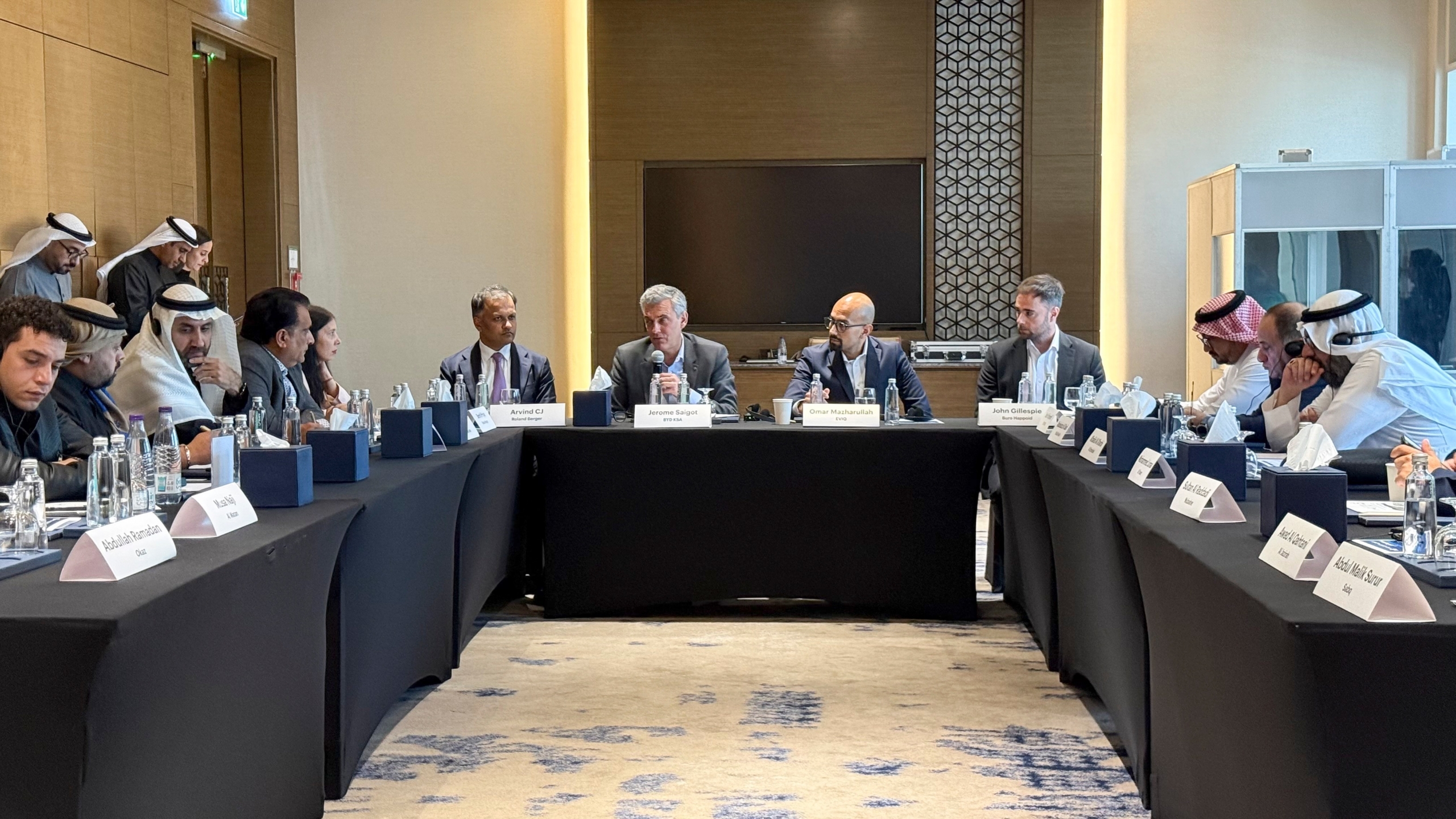
Industry participants emphasised that coordinated policy, infrastructure rollout, and innovative ownership models — such as leasing and subscriptions — will play a decisive role in translating consumer interest into sustained market adoption.
Arvind CJ, Partner at Roland Berger, noted: “As Saudi Arabia’s automotive sector transitions toward a more localised and technology-enabled model, the foundations for large-scale NEV adoption are in place. The key challenge now is execution while ensuring affordability, infrastructure rollout, and localisation move in step.”

John Gillespie, Director – Transport & Mobility at Buro Happold, added: “A future-ready mobility system requires planning that is integrated from the start, linking charging, power capacity, land use, user behaviours and public transport into one coherent approach.”

The white paper outlines three potential scenarios for how NEV adoption in Saudi Arabia could evolve, depending on the pace of localisation, infrastructure deployment, and policy alignment.
Across all scenarios, the white paper identifies coordinated action as the decisive factor. Alignment between policy, infrastructure deployment, manufacturing localisation, and consumer engagement will determine whether ambition translates into scale.
The Future of Mobility in Saudi Arabia concludes that collaboration across government, industry, and operators will be central to accelerating NEV adoption. By aligning investment, innovation, and urban development, Saudi Arabia can establish a globally competitive and sustainable mobility ecosystem under Vision 2030.
Explore the full findings and recommendations in the white paper:
The Future of Mobility in Saudi Arabia – White Paper
Minimum custom amount to enter is AED 2
By donating, you agree to the Privacy Policy and Terms of Service
 Lovin Riyadh Newsletter